From Johannesburg to the Cape: A Birding Adventure
A 15-Day Birding Adventure

Expert birding guides
🗺️
Scenic routes & viewpoints
🚐
Small groups or private tours
Trip highlights:
✔ Two endemic families
✔ Chance of seeing Lion & Rhinoceros
✔ Breathtaking landscapes
✔ Chance of seeing 350+ birds
✔ Chance of seeing nocturnal animals
Day to day program:
Day 1: Johannesburg - Zaagkuilsdrift
Day 2: Zaagkuilsdrift
Day 3: Zaagkuilsdrift - Virginia
Day 4: Virginia - Khoisan Karoo
Day 5: Khoisan Karoo
Day 6: Khoisan Karoo - Karoo National Park
Day 7: Karoo National Park
Day 8: Karoo National Park - Oudtshoorn
Day 9: Oudtshoorn - George
Day 10: George
Day 11: George - Pringle Bay
Day 12: Pringle Bay - Simons Town
Day 13: Simons Town
Day 14: Simons Town - Langebaan
Day 15: Langebaan - Cape Town
An Unforgettable Nature & Birding Safari through South Africa
With its incredible diversity of birds, wildlife, landscapes and natural environments, South Africa is perhaps one of the most beautiful wildlife destinations in Africa. A destination that every nature and photography enthusiast should experience at least once.
Join us on one of our journeys and discover the incredible diversity of this remarkable country. During this birding and nature tour, we take you to some of South Africa’s finest birding and wildlife destinations. From unique bird species and spectacular landscapes to unforgettable encounters with Africa’s wildlife.
Of course, our attention also extends to mammals. South Africa is renowned for its many wildlife reserves and national parks, where the Big Five are often a major highlight. We take the time to properly explore these areas and work with experienced local guides who know the regions inside out. Together, we seek out the best locations and the special species that make each destination unique.
A journey filled with nature, wildlife, birds and photography, where every destination offers something new to discover.
Day 1 – From Johannesburg → Zaagkuilsdrift
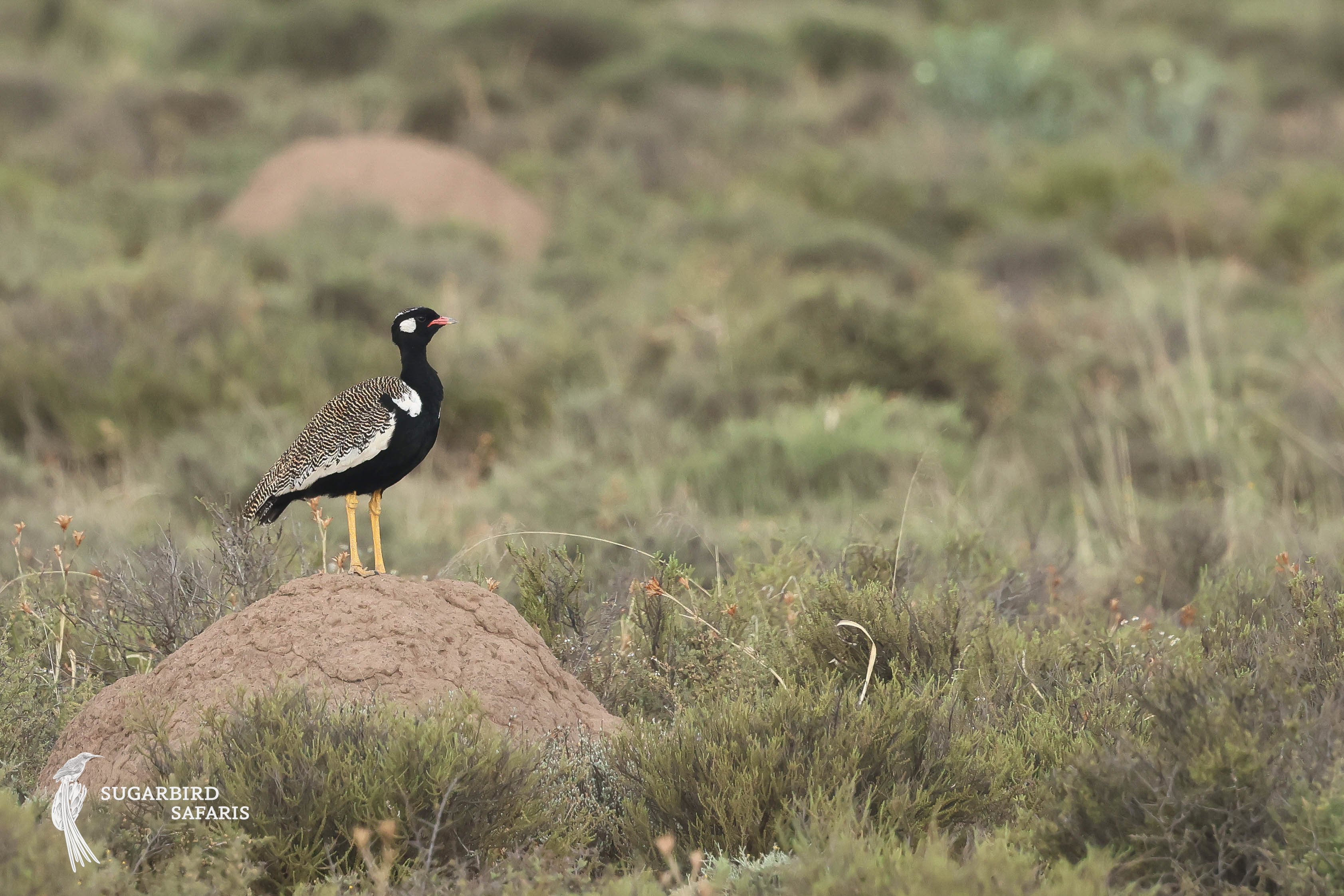
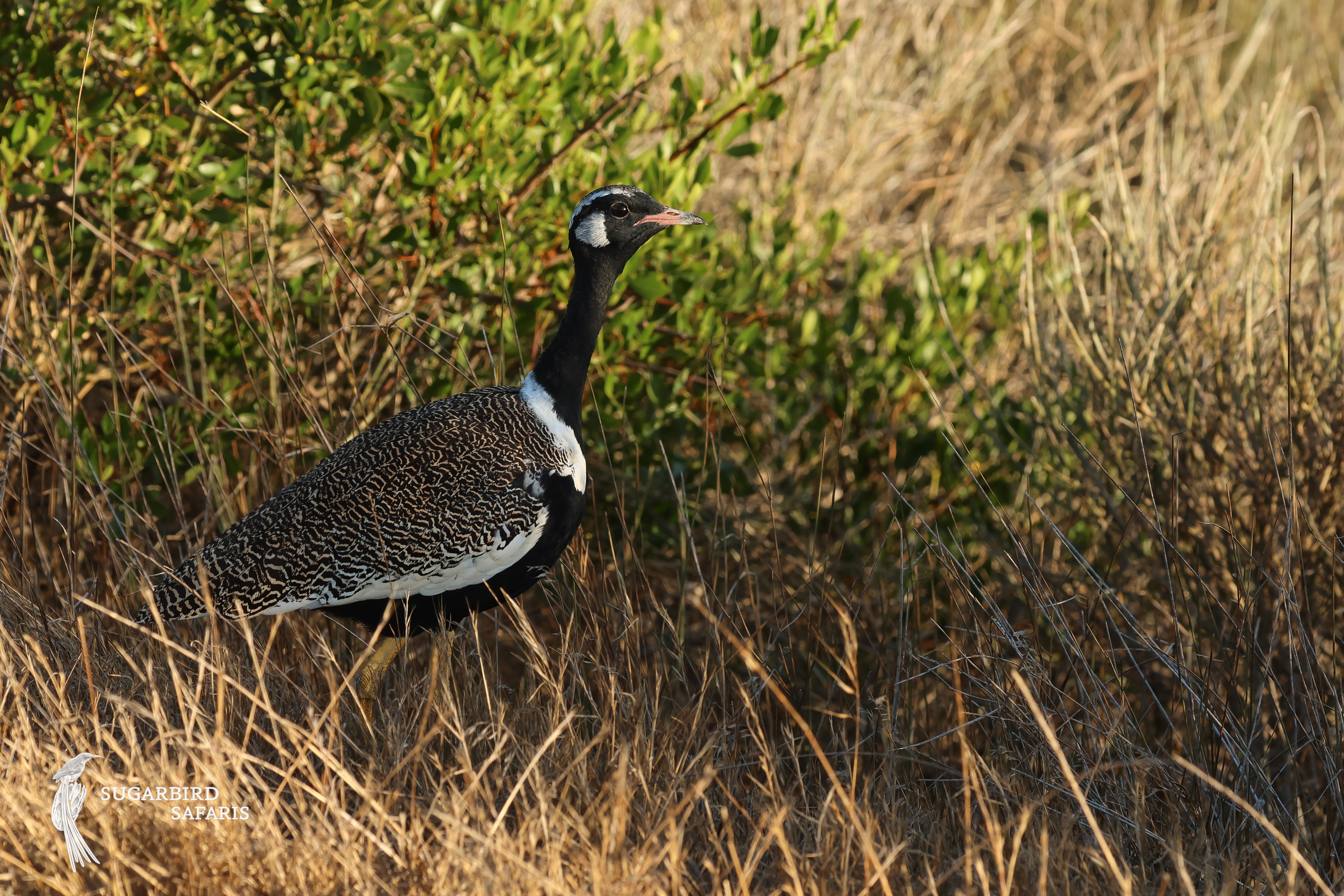
If we’re able to set off in the morning, we’ll stop at Rietvlei Nature Reserve, a small but rewarding protected area situated between Johannesburg and Pretoria. This is an excellent place to look for species that we’re unlikely to encounter later in the trip, such as Northern Black Korhaan and Orange River Francolin. Other possibilities here include Black-chested Snake Eagle, Orange-breasted Waxbill, and in the summer months, the elusive Cuckoofinch.
From here, we head straight to our first main birding destination: the legendary Zaagkuilsdrift Road. This 20-kilometer stretch of gravel road winds through prime acacia bushveld, offering some of the best birding for dryland species in South Africa. Since many of these species reach their easternmost range limit here, we’ll be treated to a mix of typical bushveld and Karoo birds.
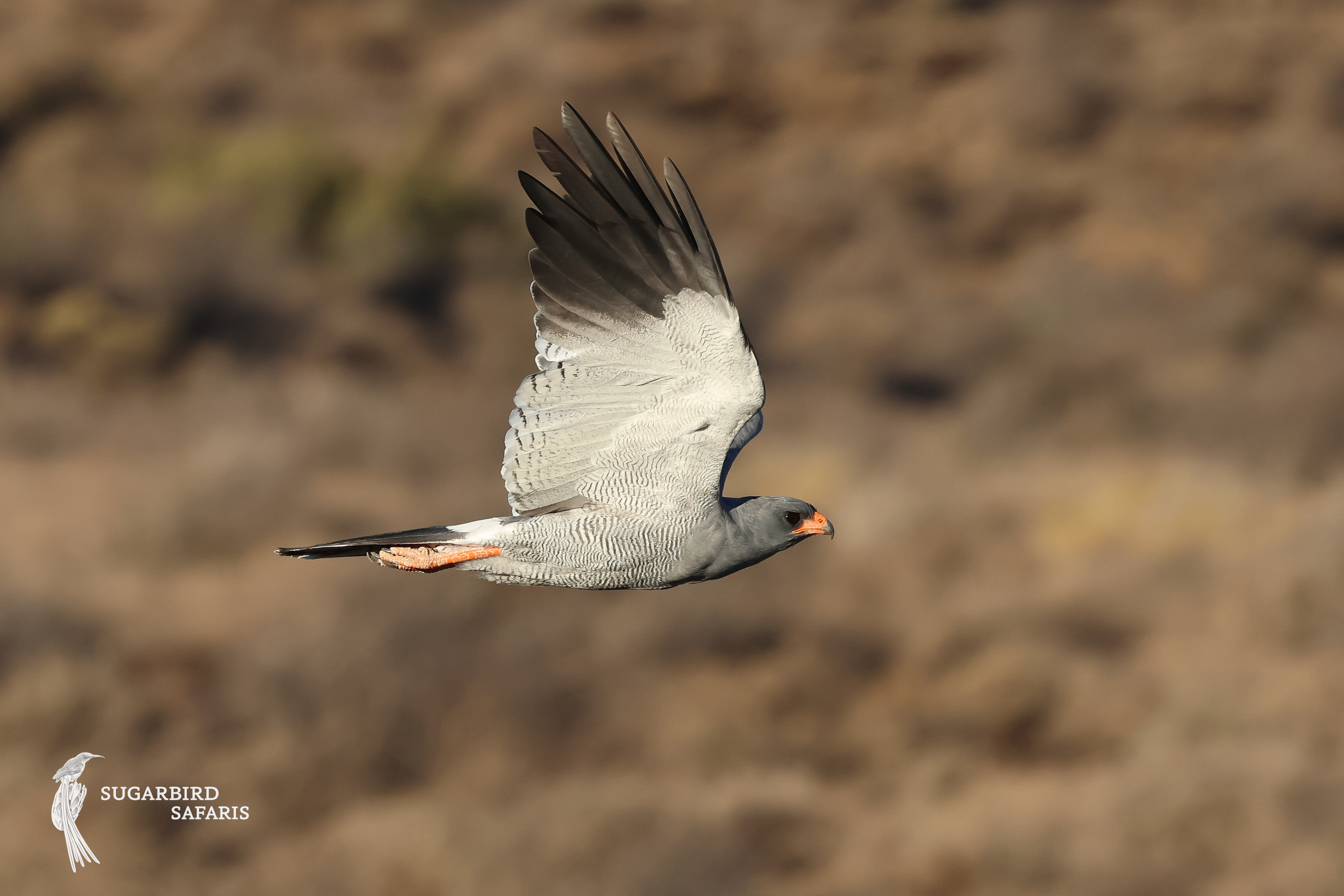
Around our lodge and along the road, we’ll be on the lookout for stunning species like Crimson-breasted Shrike, Southern Pied Babbler, Pale Chanting Goshawk, Scaly-feathered Finch, Great Sparrow, and both Violet-eared and Black-faced Waxbills.
At the far end of the road lies the Kgomo Kgomo Plain, a broad seasonal floodplain that can fill with water in the wet season. This creates rich habitat for herons, storks, ducks, and specialties like Black Heron, Meyer’s Parrot, Blue-cheeked Bee-eater, and (in summer) Black-winged Pratincole.
Day 2 – Zaagkuilsdrift
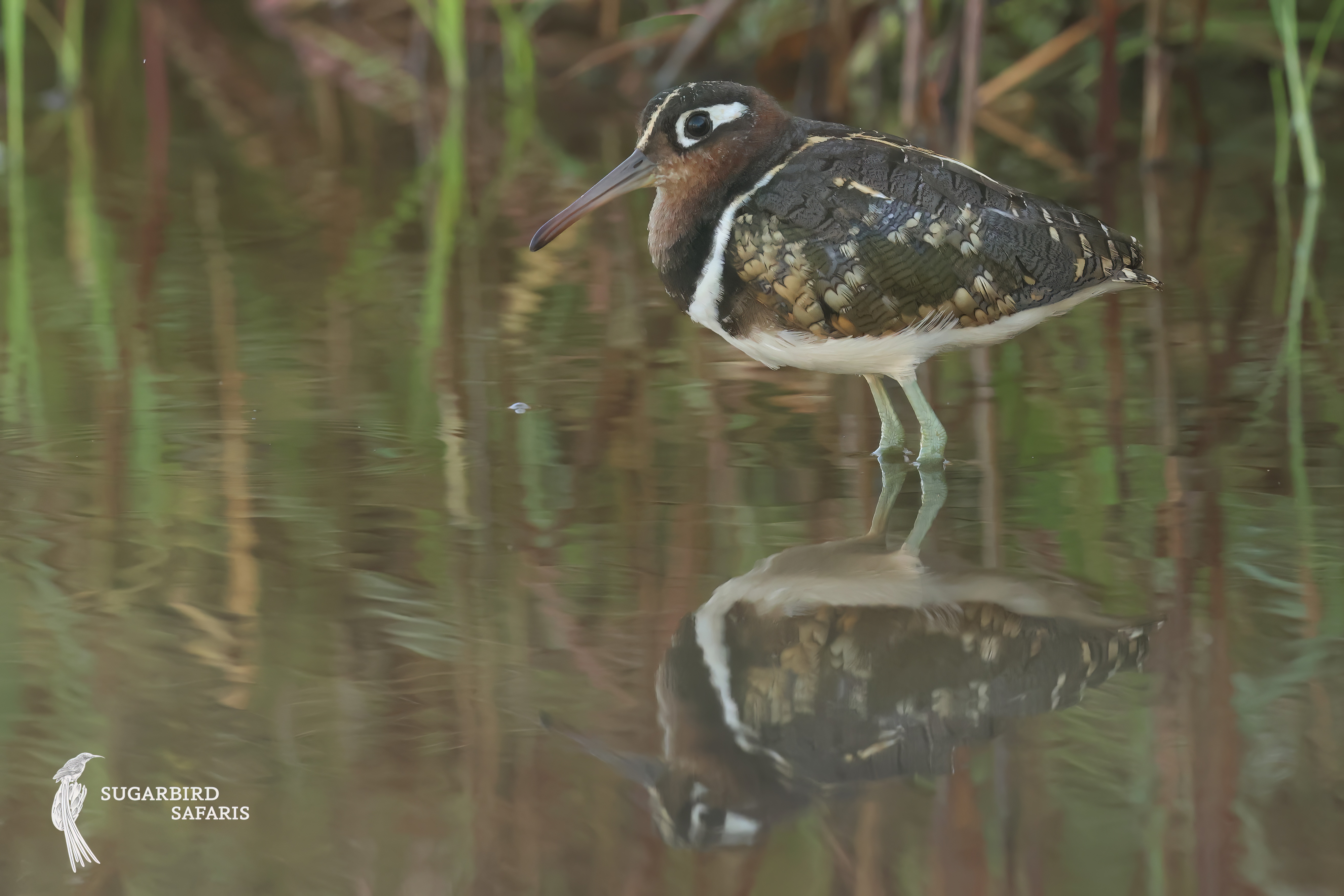
The day begins early along the famous Crake Road, one of the region's finest birding locations for wetland species. Following good rains, shallow pools often remain on the road, attracting an impressive variety of birds, including Greater Painted-Snipe, African Crake, Dwarf Bittern, and, with a bit of luck, even the highly sought-after Striped Crake.
From here, we continue to the expansive Kgomo Kgomo floodplains, where we spend the remainder of the morning exploring this productive birding area. After breakfast, there is time to relax at the lodge or enjoy a leisurely walk around the grounds.
As the afternoon temperatures begin to cool, we head out once more in search of species such as Pearl-spotted Owlet, Barred Wren-Warbler, Black-faced Waxbill, and Violet-eared Waxbill, while
keeping an eye out for many other exciting birds along the way.
As dusk approaches, we make one final excursion. This is the perfect time to search for the elegant Marsh Owl and the distinctive Southern White-faced Owl, bringing another rewarding day of birding to a memorable close.
Day 3 – Zaagkuilsdrift → Virginia
We begin the day exploring the trails and bird hides around our lodge. The peaceful bushveld setting gives us a great chance to enjoy morning birding and possibly catch up on any species we missed yesterday.
After breakfast, we’ll head back along Crake Road and revisit the Kgomo Kgomo Plain if needed. Then we retrace our route along Zaagkuilsdrift Road, continuing our birding en route before joining the main road towards Virginia. Of course, we’ll keep an eye out for new species along the way to our next destination, and if time allows, we’ll do some birding around the accommodation as well.
Day 4 - Virginia → Khoisan Karoo
After breakfast, we cover the remaining kilometres to our next accommodation, New Holme Nature Lodge. Upon arrival, we first explore the lodge gardens on foot, looking for species such as Orange River White-eye, Red-eyed Bulbul, White-backed Mousebird and Spotted Eagle-Owl.
Around 16:00, we head out on a game drive with our local guide to explore the surrounding area. Here, we have the chance to encounter species including African Snipe, Namaqua Warbler, Yellow-billed Teal, Blue Korhaan and Karoo Korhaan. After a well-deserved stop to enjoy the spectacular sunset, we make our way back to the lodge for a delicious three-course dinner.
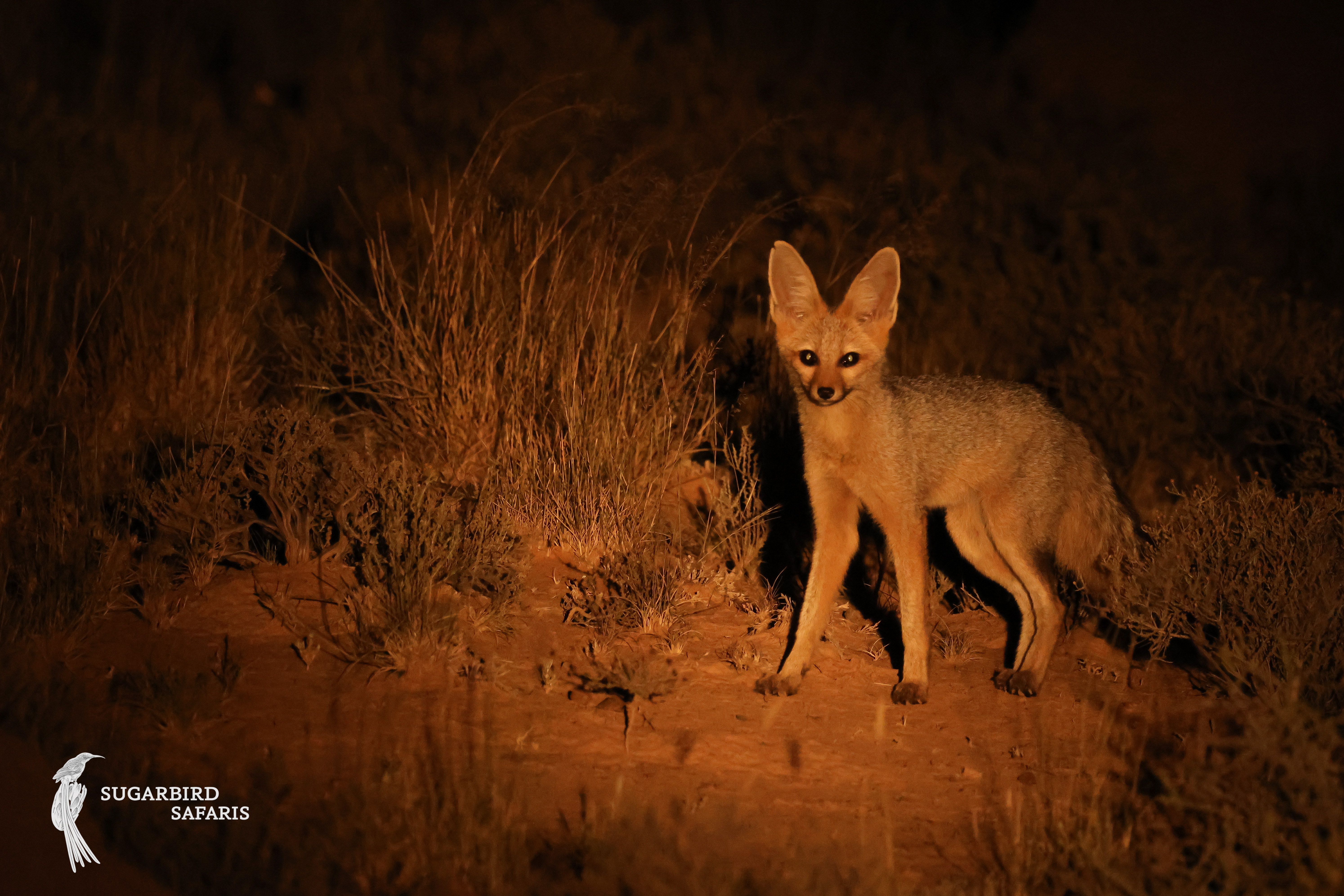
But the day is not over yet. Once darkness has settled in, we head back into the field for a night drive. Using a powerful spotlight, we search for some of the area’s elusive nocturnal wildlife. These animals are rarely, if ever, seen during the day, making a night drive a truly special experience.
Among the species we may encounter are Black-footed Cat, African Wild Cat, Striped Polecat, Aardvark, Aardwolf, Bat-eared Fox, Cape Fox, Porcupine and Springhare.
Dag 5 - Khoisan Karoo
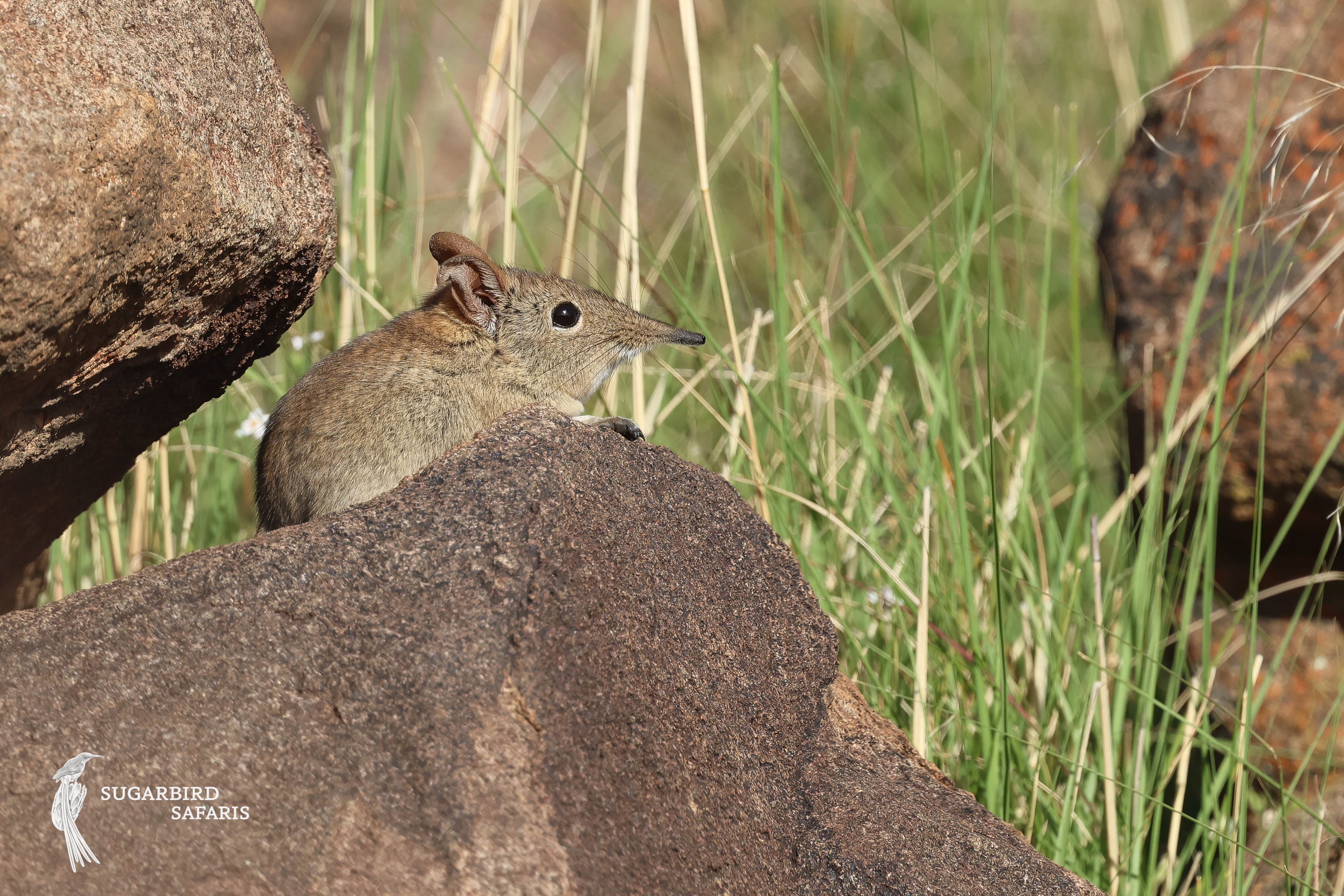
Half an hour before sunrise, we are already in the game viewer, heading towards a series of rocky slopes in search of the elusive Eastern Rock Sengi (Elephant Shrew). These small mammals, with their distinctive long snouts, can often be found warming themselves in the early morning sun. Once they have warmed up, however, they become much more active and can disappear between the rocks in an instant, making them surprisingly difficult to find.
The rocky slopes also hold a fascinating piece of history. The natural shelters among the rocks were once ideal hiding places for the San people seeking protection from the wind, and traces of their presence can still be found in the form of animal engravings in the surrounding rock formations.
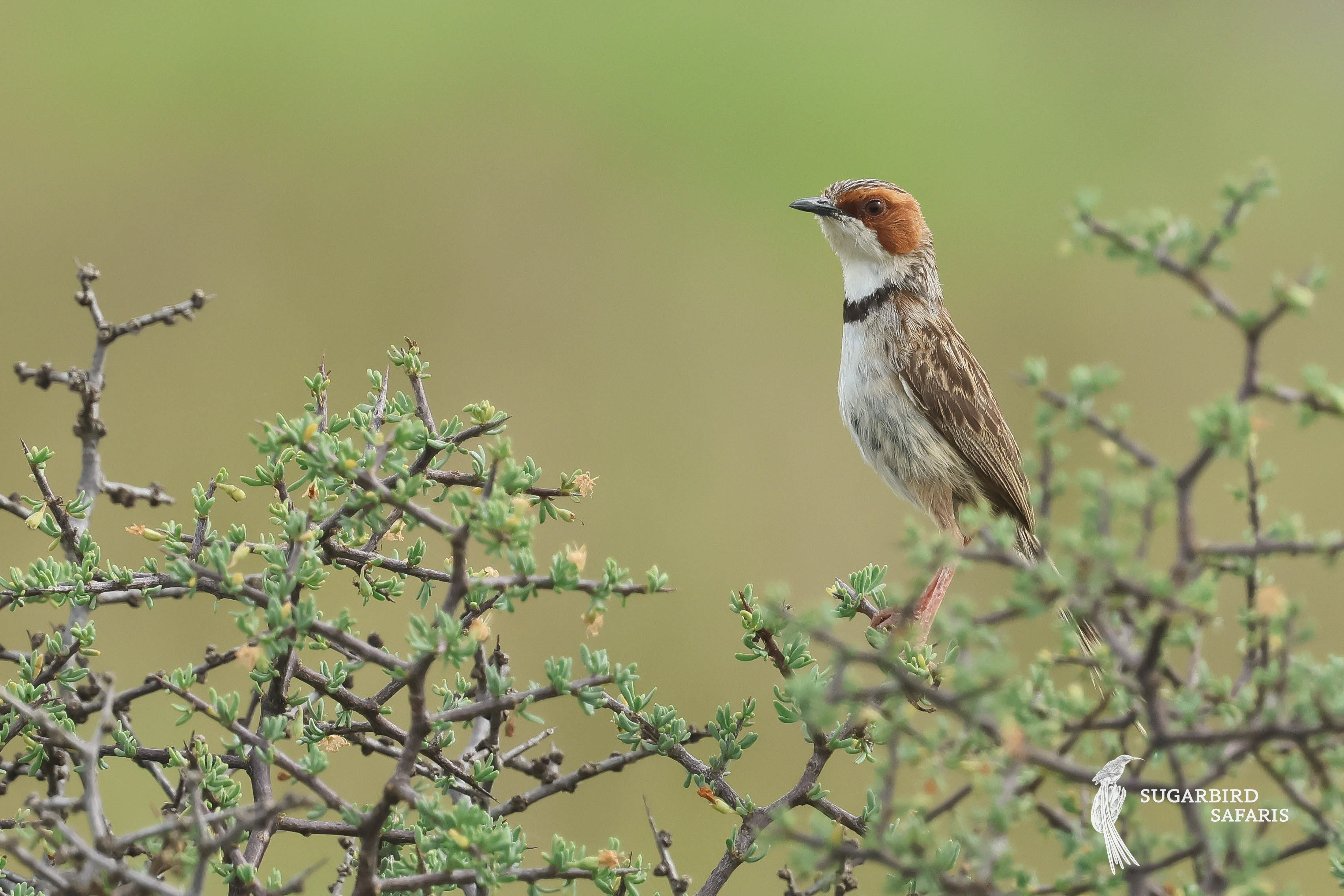
The area also offers some excellent birding opportunities, with species such as Rufous-eared Warbler, Lark-like Bunting and Eastern Clapper Lark among our targets. On our way back to the lodge for breakfast, we keep an eye out for Ground Squirrels, Meerkats, Capped Wheatear, Red-capped Lark, Long-billed Lark, Melodious Lark and Spike-heeled Lark.
In the afternoon, we round off the day with a traditional bush braai (barbecue), followed by our final night drive through the reserve.
Day 6 - Khoisan Karoo → Karoo National Park
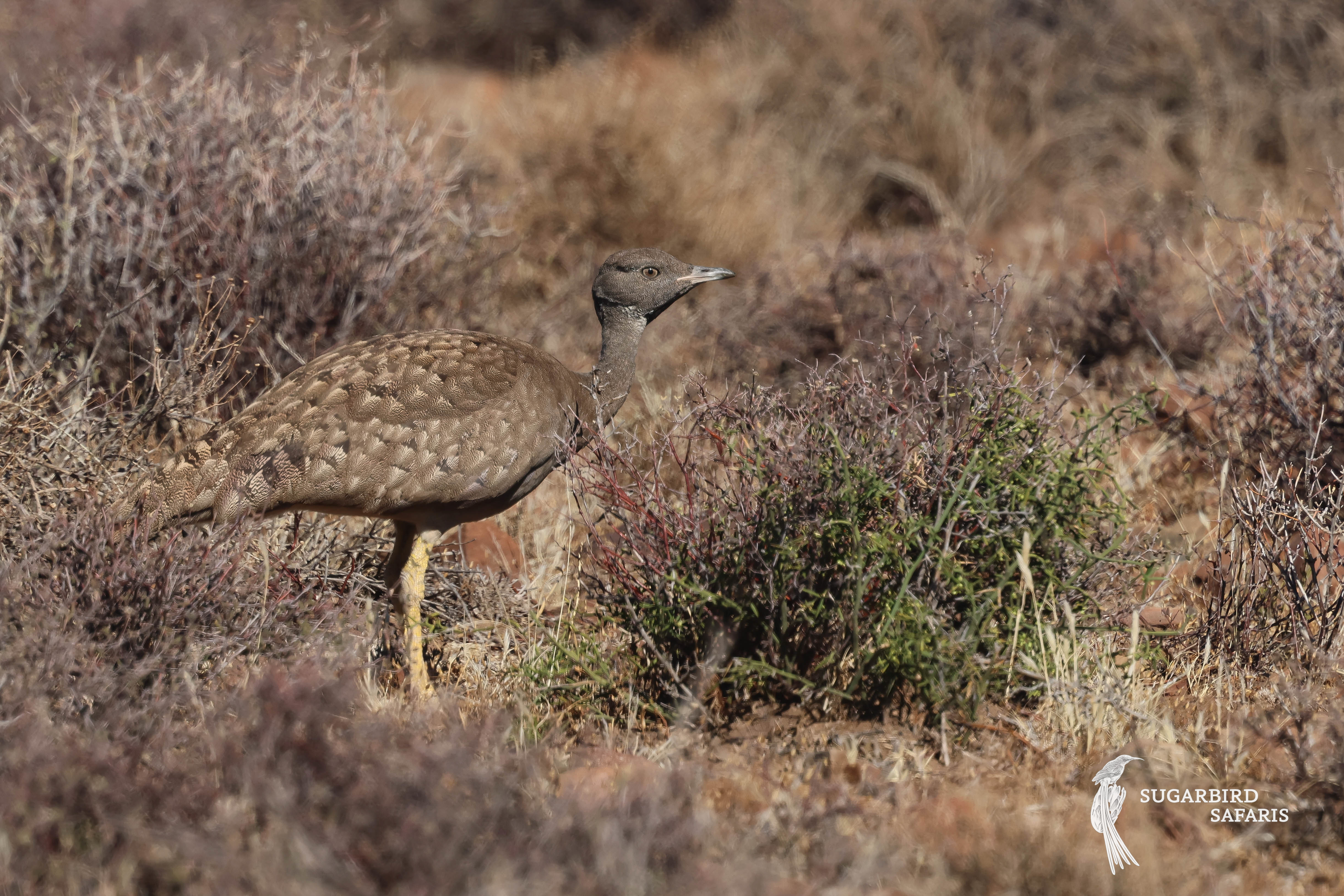
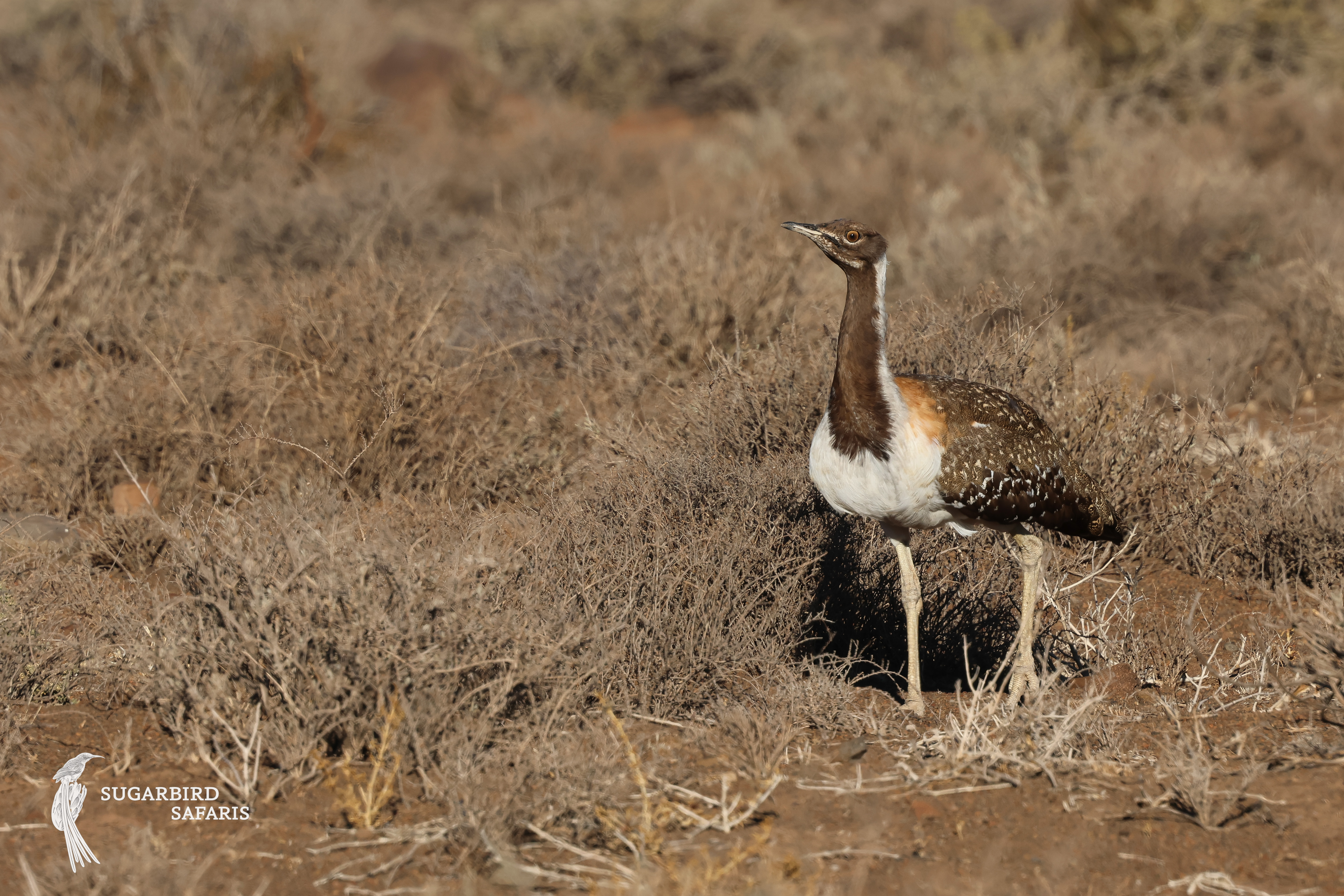
This morning is dedicated to three of the Karoo’s iconic korhaans: Northern Black Korhaan, Karoo Korhaan, Blue Korhaan and Ludwig's Bustard. As the sun slowly rises above the horizon and temperatures begin to climb, we set out in search of these striking birds.
Along the way, we keep a close eye on the burrows of Meerkats. Once the morning has warmed up enough, they emerge to bask in the sunshine before heading off in all directions to start their day. This is the perfect opportunity to watch and photograph them at close range.
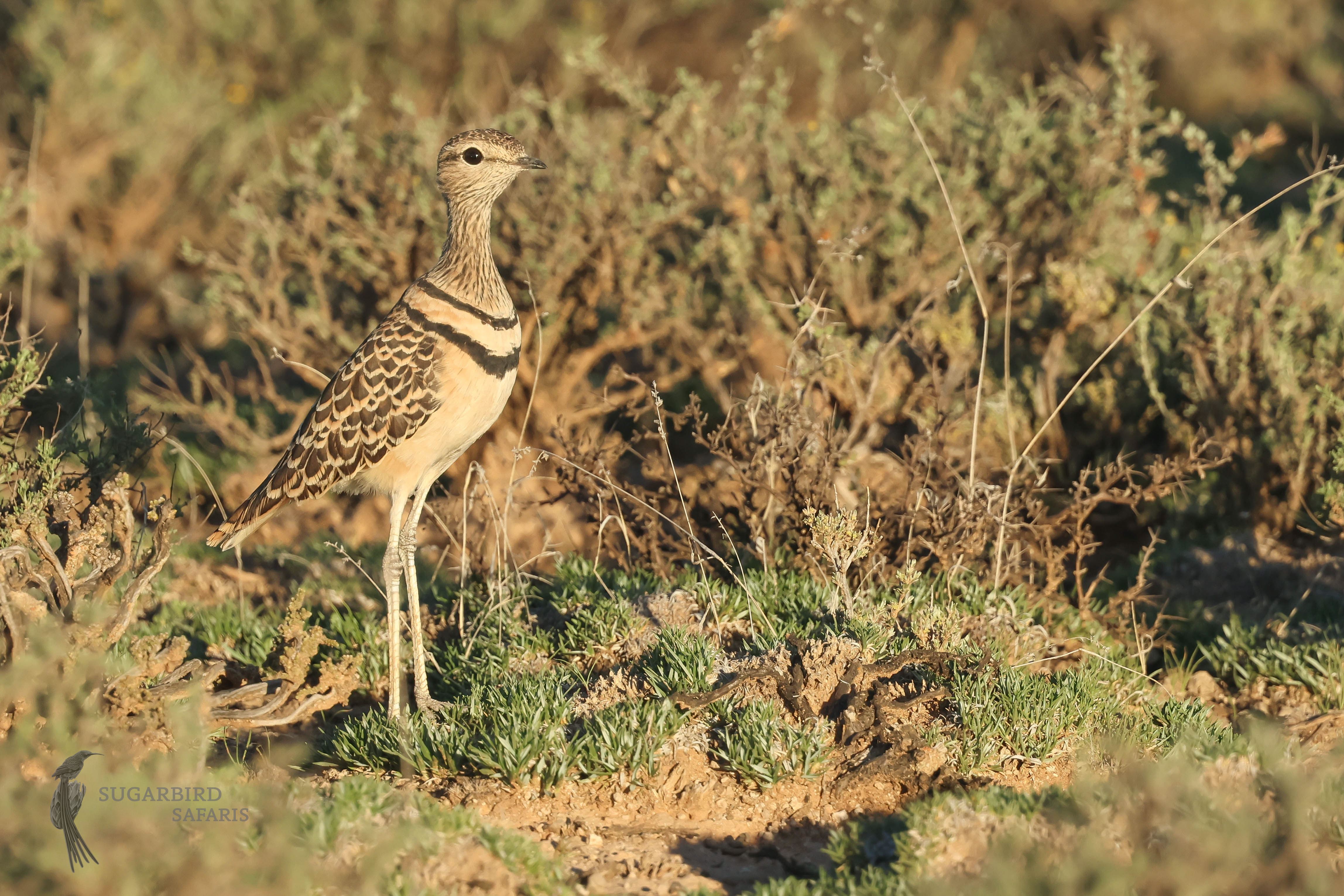
With the morning birding underway, we continue our search for Namaqua Sandgrouse, Burchell’s Courser and Double-banded Courser before returning to pack our bags and continue towards Karoo National Park.
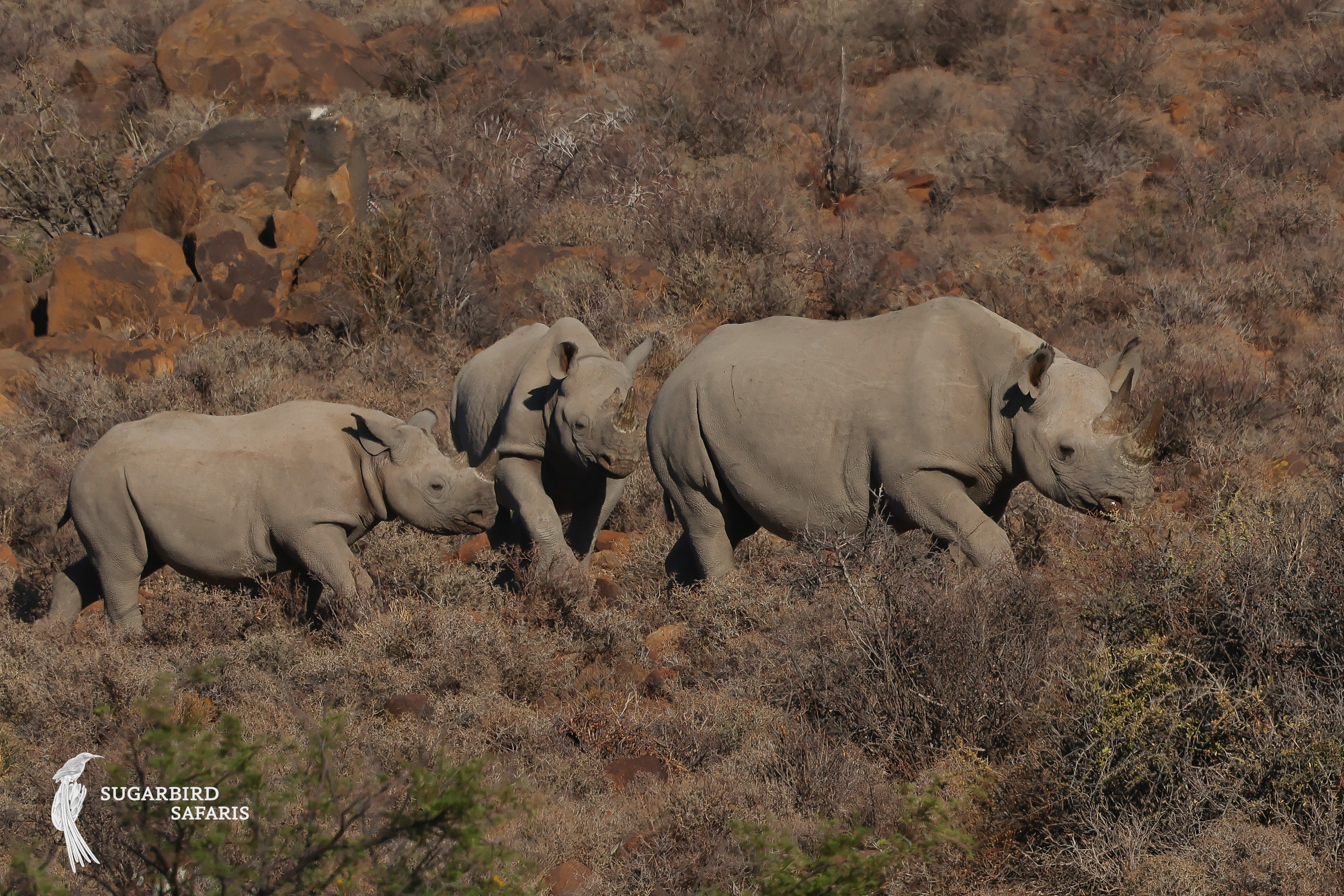
Karoo National Park offers a completely different landscape and wildlife experience. The park is home to species such as Mountain Zebra, Eland, Springbok and Gemsbok, while Black Rhinoceros are also regularly encountered.
The area around the camp is also excellent for birding, with species such as Karoo Eremomela, Pririt Batis, Acacia Pied Barbet, Layard’s Tit-Babbler and Dusky Sunbird among the highlights.
For those who would like to explore after dark, an optional evening drive can be arranged at an additional cost.
Day 7 - Karoo National Park
Today is all about taking our time and exploring the park in search of some of the Karoo’s most characteristic birds. We’ll slowly work our way through the open landscapes, keeping an eye out for Black-eared Sparrow-Lark, Short-toed Rock Thrush, Karoo Lark and Karoo Long-billed Lark. Every stretch of road can bring a new surprise, so there is no need to rush.
The skies will be just as interesting, with plenty of opportunities to spot Rock Kestrel, Pale Chanting Goshawk, Black-chested Snake Eagle and, if we are lucky, the magnificent Verreaux’s Eagle soaring above the rugged Karoo landscape.
During the hottest part of the afternoon, we retreat to the lodge for a well-earned break. Whether you prefer to relax in the shade, catch up on the morning’s sightings or cool off with a refreshing swim, there is plenty of time to recharge. Once the temperature starts to drop, we head out again for another relaxed birding session and see what the late afternoon has in store.
Day 8 - Karoo National Park → Oudtshoorn
After spending the morning making the most of our final hours in Karoo National Park, it is time to pack up and move on to our next destination. The distance may not look particularly impressive on the map, but the drive itself promises to be anything but ordinary.
From Prince Albert, we head towards the spectacular Swartberg Pass, winding our way up through one of the most dramatic mountain landscapes in the Cape. The pass forms a natural transition between the dry, rugged Karoo and the greener, more mountainous landscapes of the Cape Fold Mountains.
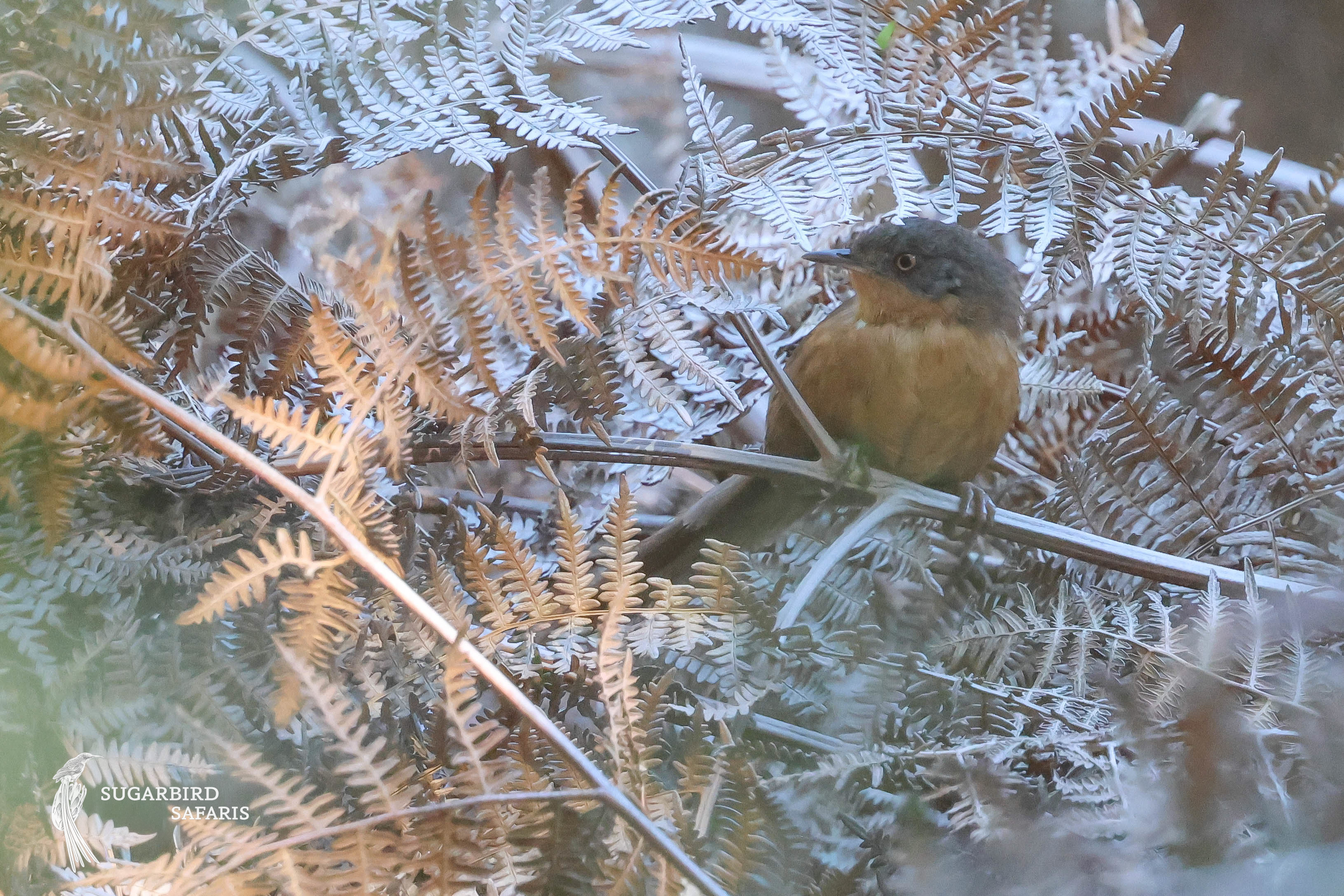
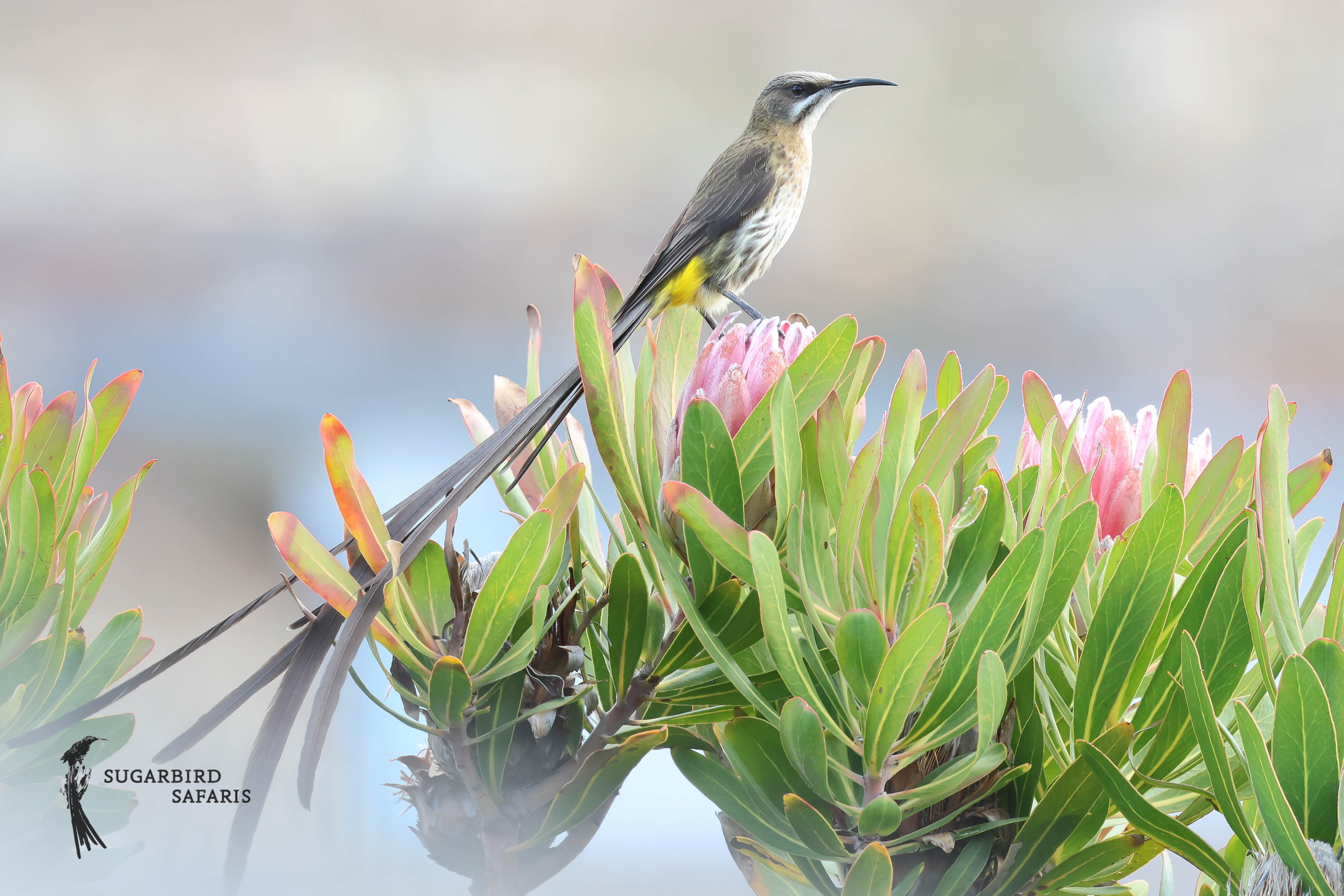
As we climb higher, the scenery changes rapidly and so does the birdlife. This is where we have our first real chance of encountering Cape Sugarbird and the highly sought-after Cape Rockjumper. But one species in particular will be on our minds: the elusive Protea Canary. This localised mountain specialist can be surprisingly difficult to track down, making a sighting all the more rewarding.
Day 9 - Oudtshoorn → George
If we feel we need a little more time around the Swartberg Pass, we can start the morning there and make the most of the mountain habitat. If we have already had our fill, however, this is one of those rare mornings when we can afford to set the alarm a little later and enjoy a more relaxed start before continuing our journey towards the coast near George.
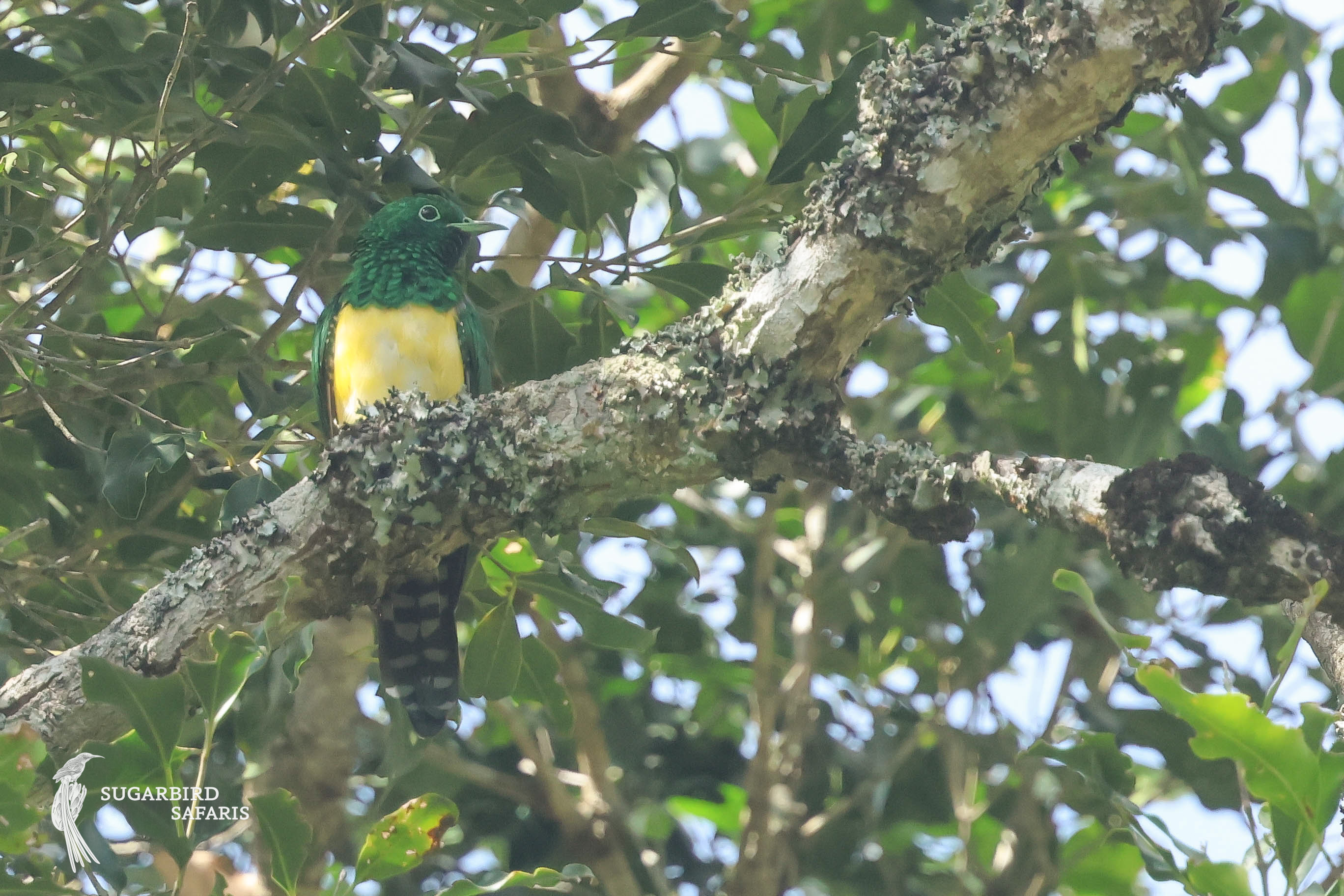
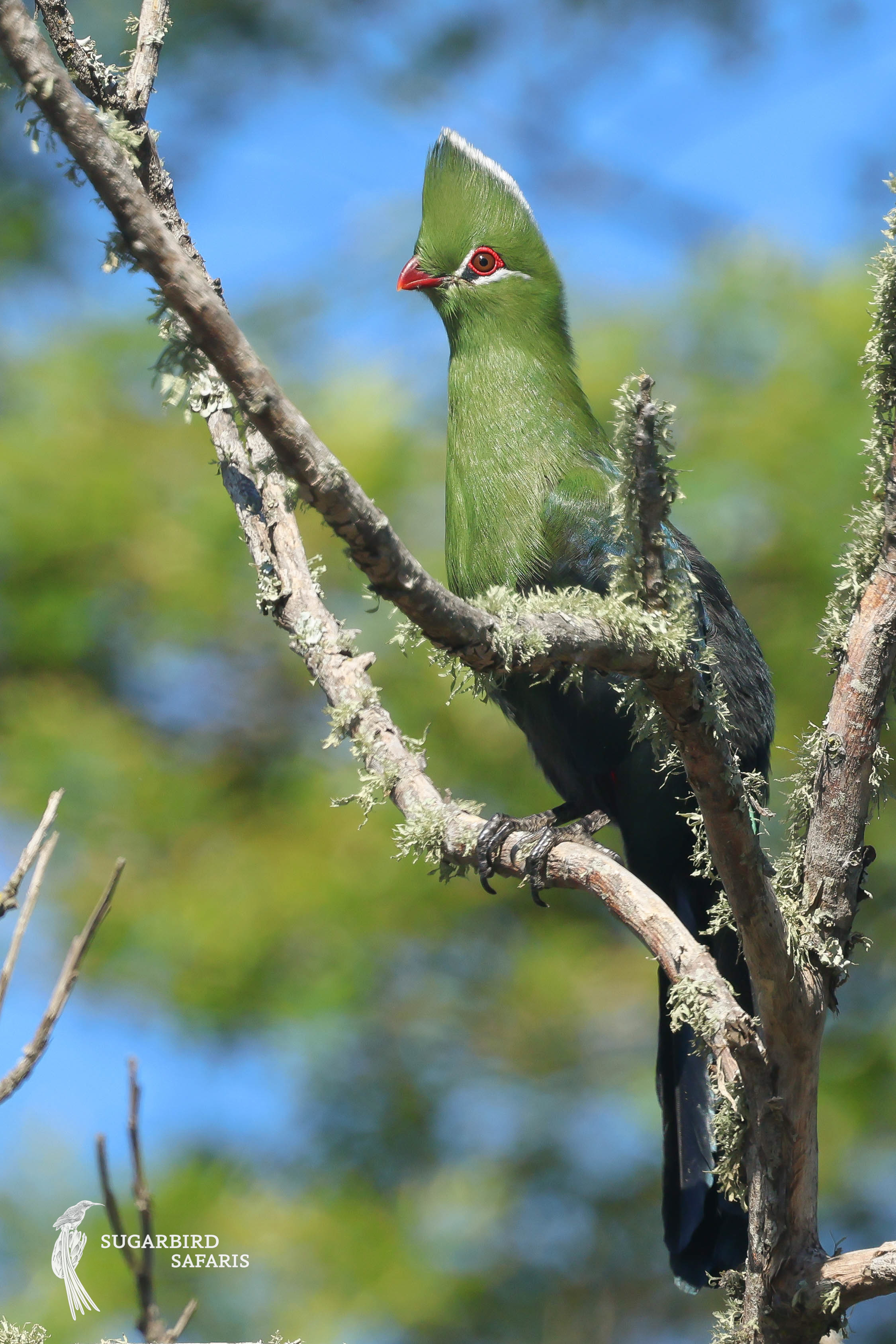
Here, the landscape changes dramatically once again. The dry Karoo and rugged mountain scenery give way to lush, indigenous forest, creating a completely different world for us to explore. Our focus will be on these pockets of ancient forest, where we’ll search for some of the region’s most exciting species, including Knysna Turaco, African Cuckoo-Hawk, Forest Buzzard, Buff-spotted Flufftail and African Emerald Cuckoo, among many others.
The area around our accommodation has plenty to offer as well. Between birding sessions, we’ll keep an eye out for three species of tortoise and the tiny dwarf chameleons that inhabit the surrounding vegetation. And of course, there will be plenty of birds right on our doorstep, with Knysna Woodpecker being one of the local highlights to look out for.
After the wide-open landscapes of the Karoo, this lush forest habitat will feel like entering a completely different South Africa.
Day 10 - George and surroundings
Today we have the entire day to explore the forests in the surrounding area at a relaxed pace. These lush pockets of indigenous forest are our main focus, but the surrounding farmland can be just as rewarding and offers a completely different set of species. Here, we’ll keep an eye out for Denham’s Bustard, Black-winged Lapwing and South Africa’s national bird, the striking Blue Crane.
In the afternoon, we’ll visit a few carefully selected spots along the rivers and streams, where we’ll search for some of the area’s more elusive species. Half-collared Kingfisher and African Finfoot will be high on our list, and if we are really lucky, we may even catch a glimpse of a Cape Clawless Otter. These shy mammals are present in the area but are never guaranteed, making any encounter a particularly memorable one.
Day 11 - George → Pringle Bay
The morning will once again be dedicated to exploring the patches of indigenous forest around our accommodation. This gives us another chance to look for any species we may have missed, or perhaps get better views of some of the birds we encountered on the previous days.
After breakfast, we’ll set off towards Pringle Bay, with plenty of opportunities to make roadside stops along the way. We’ll keep scanning the agricultural fields for Denham’s Bustard and Blue Cranes, both of which can turn up in the open farmland.
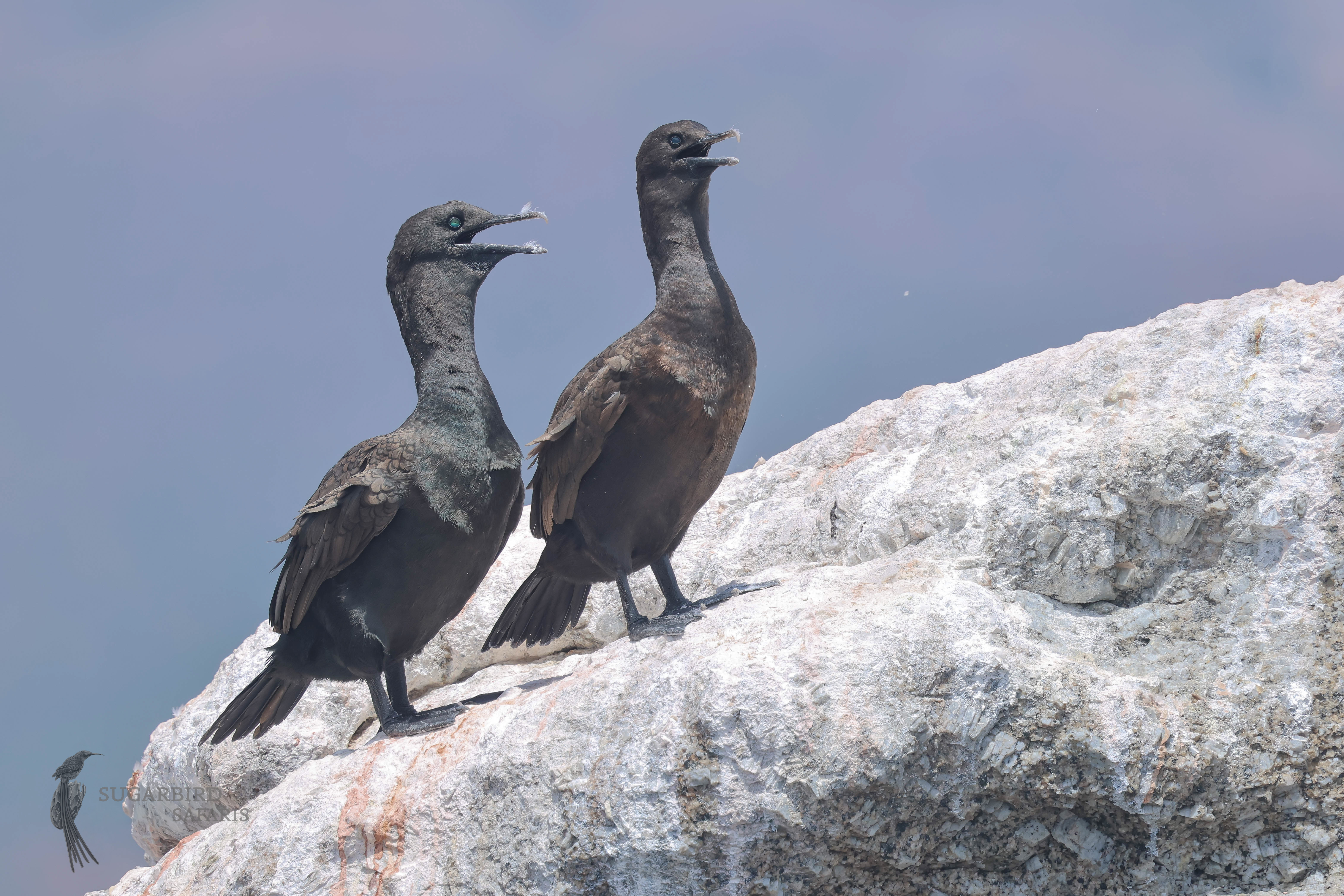
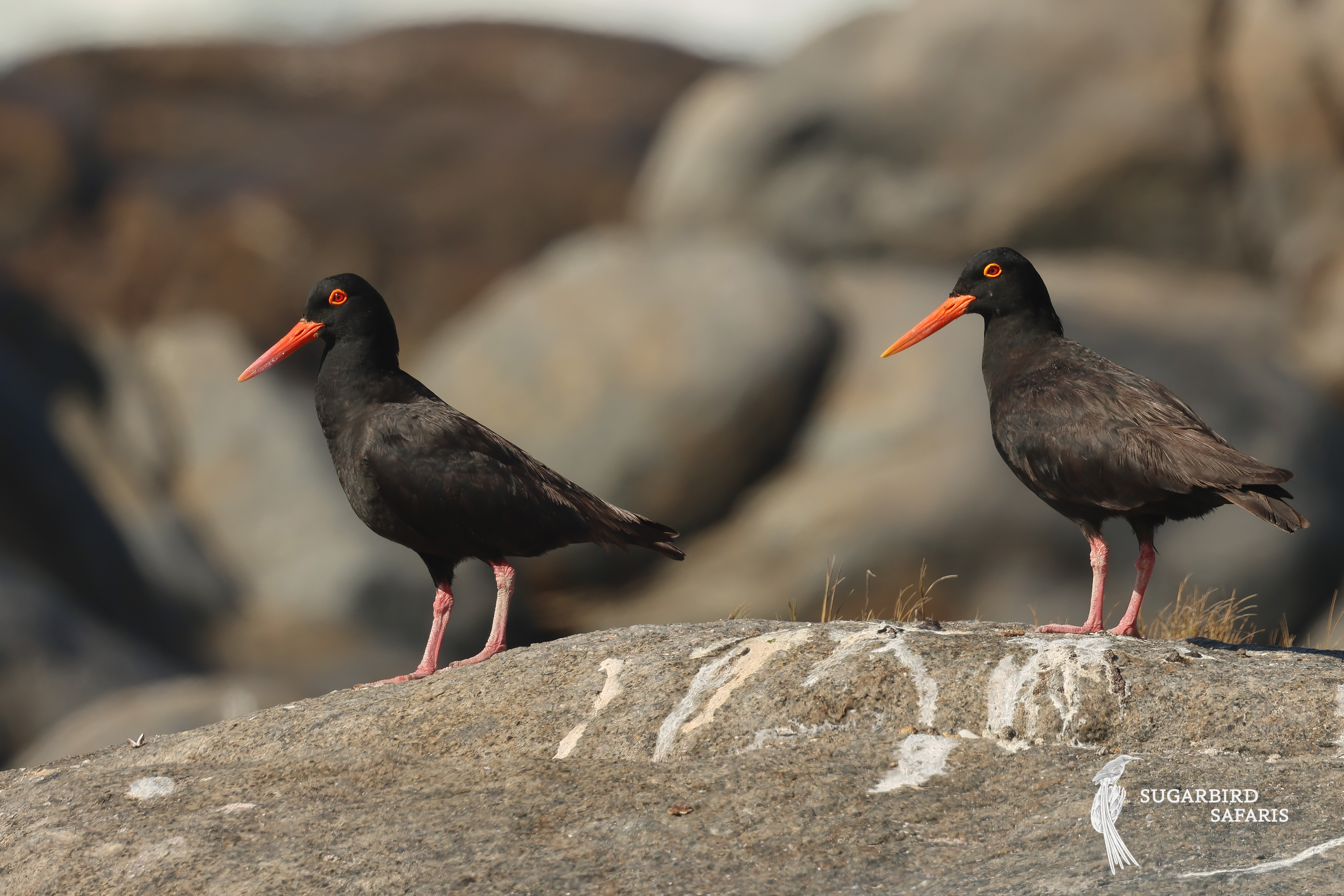
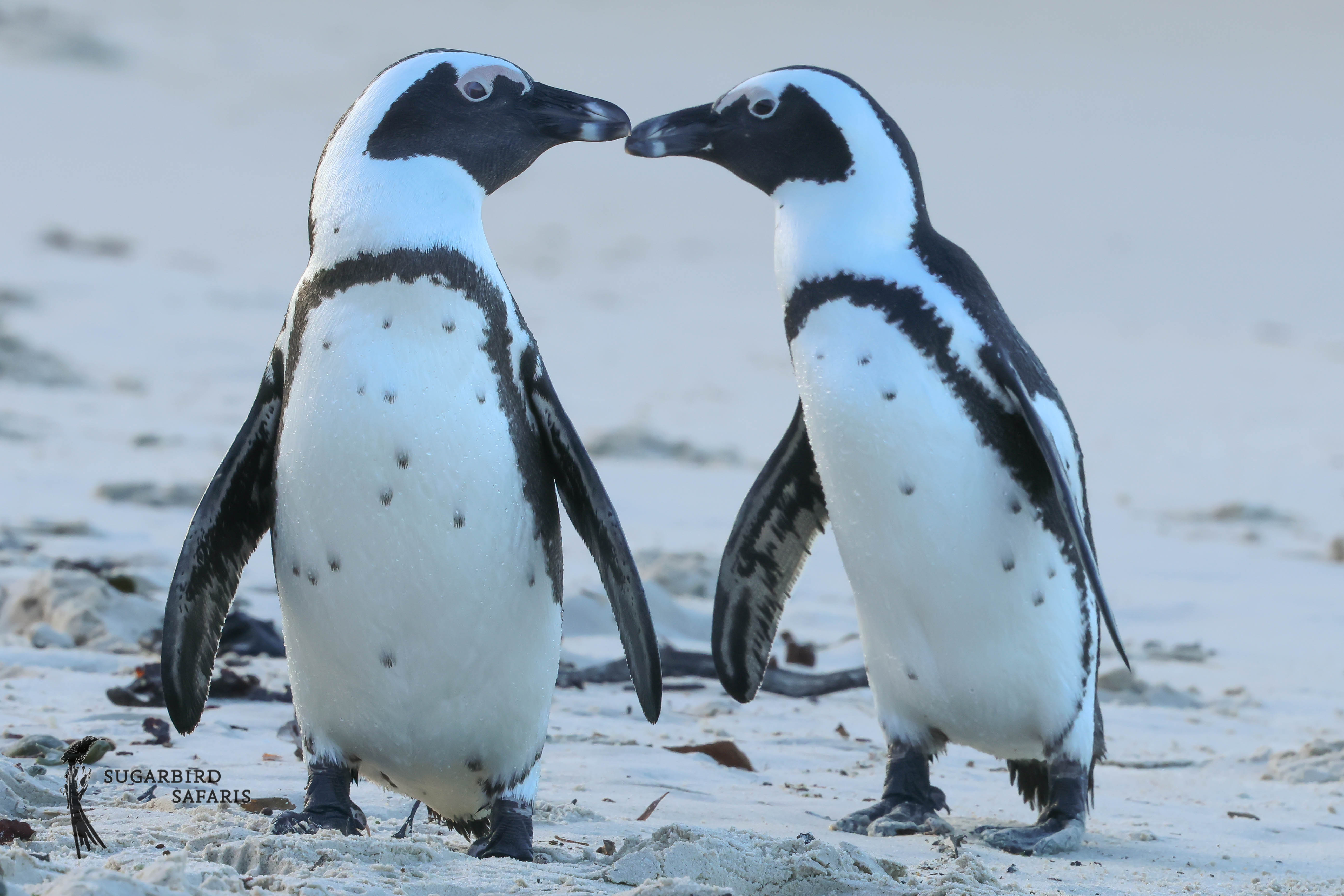
Just before reaching Pringle Bay, we’ll make a stop at Betty’s Bay, home to a famous colony of African Penguins. The rocky coastline here is also worth exploring, with Black Oystercatcher and an impressive selection of cormorants on the cards: Cape, Bank, Crowned and White-breasted Cormorants.
After checking in at our accommodation, there is still time for one more outing. Just around the corner is a nearby trail where we’ll make a determined search for one of South Africa’s most elusive owls: the Cape Eagle-Owl. Finding one is never easy, but that only makes an encounter with this impressive
nocturnal hunter all the more rewarding.
Day 12 - Pringle Bay → Simons Town
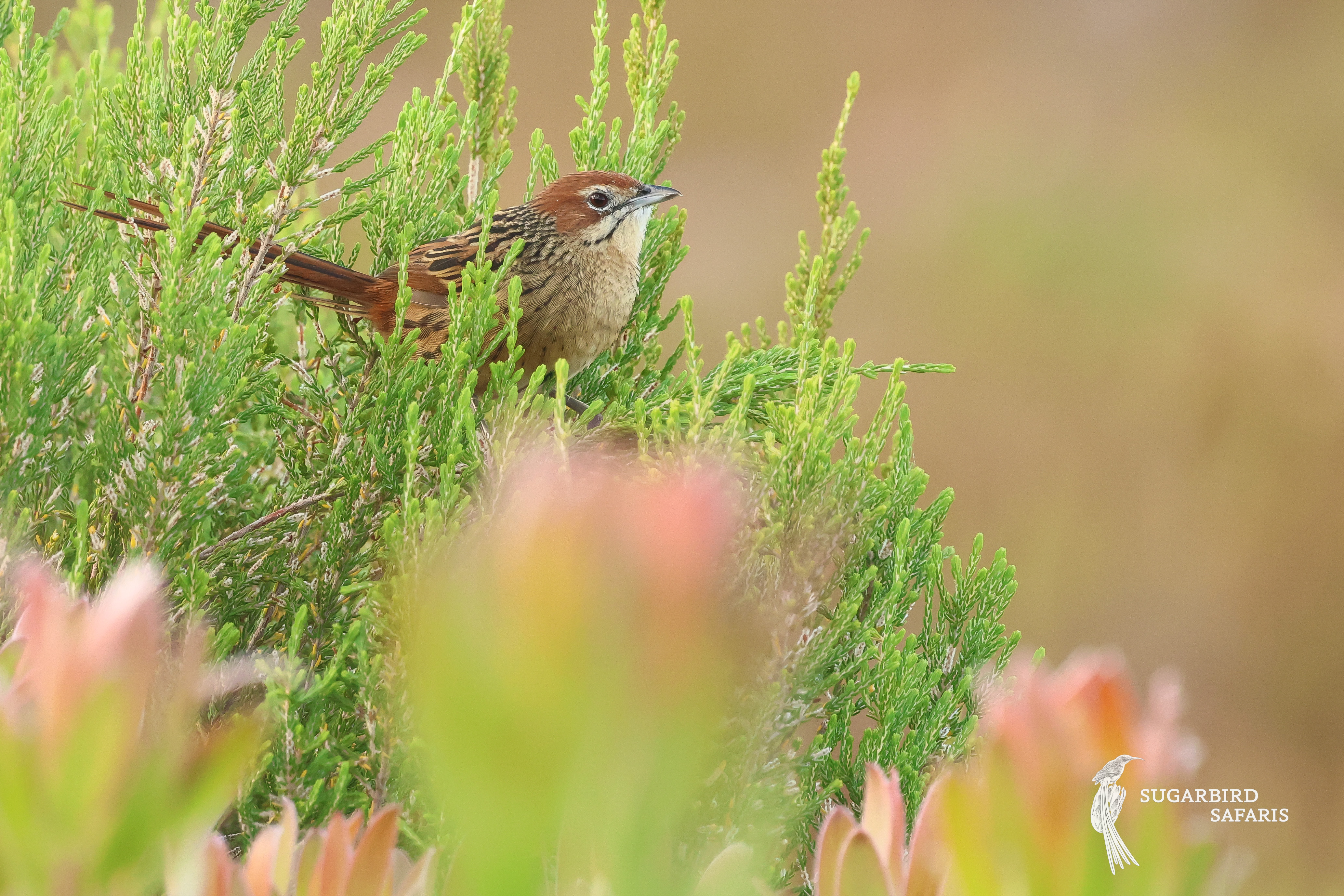
We’ll kick off the day at the famous Rooi Els, a small coastal village surrounded by rugged mountains and an abundance of flowering Proteas. These plants attract a wealth of nectar-loving birds, including Cape Sugarbird and Cape Grassbird, making this an excellent place to start the morning.
But the sugarbirds are not our main target here. Along the edge of the village, a small trail winds its way between the ocean on one side and steep mountain slopes on the other. This is one of the best places to look for the highly sought-after Cape Rockjumper. In the early morning, these mountain specialists leave the shelter of the higher slopes to warm themselves in the first rays of sunshine lower down the mountain. It can be a real challenge to spot them, but the setting alone makes the search worthwhile.
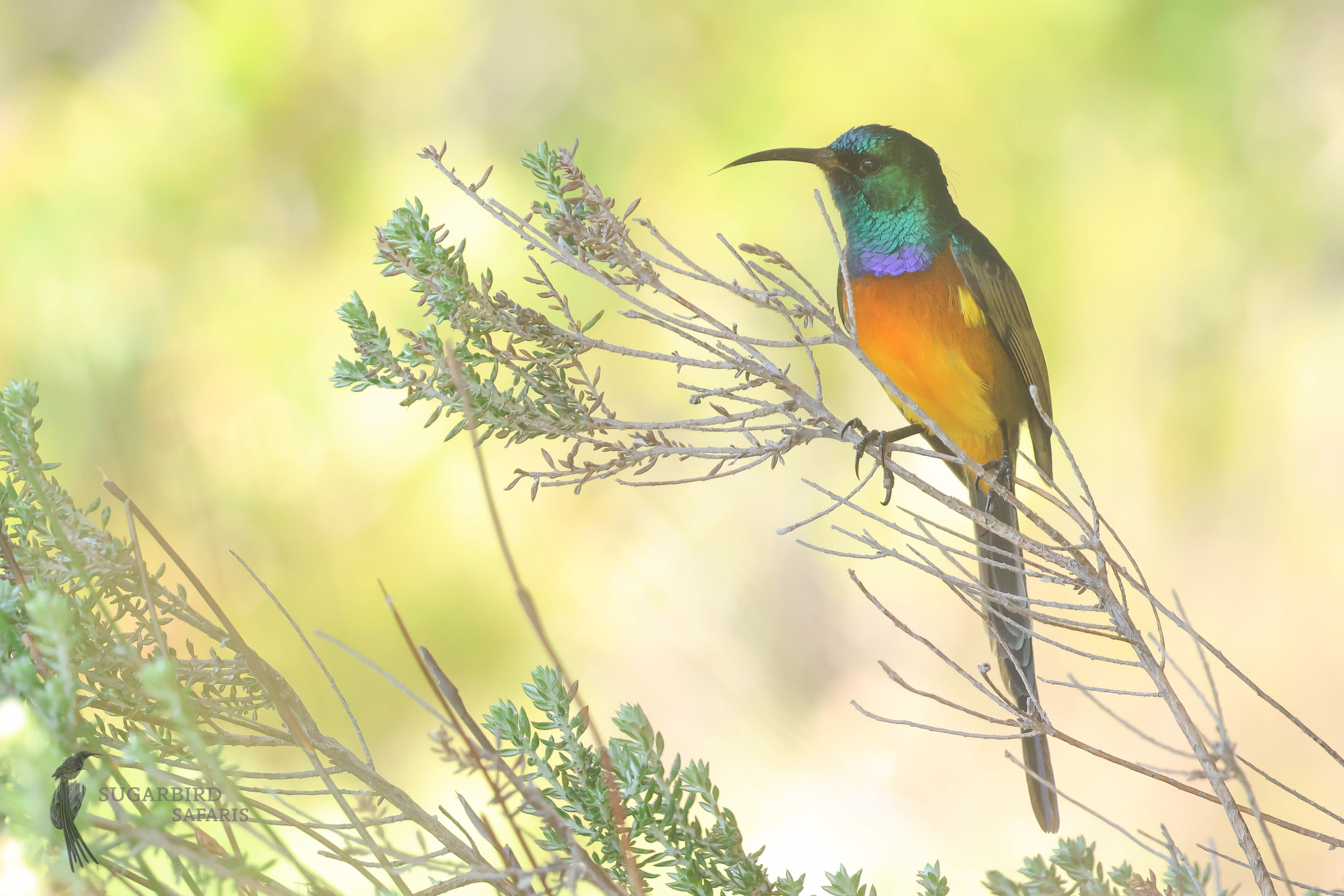
There is certainly no shortage of other birds to keep us occupied while we scan the slopes, with Cape Siskin and Orange-breasted Sunbird among the additional highlights we may encounter.
If time allows and there are still a few species on our list that we haven’t managed to find we can make a final stop at the Harold Porter Botanical Garden, where several of our targets can be seen with a bit of luck.
From there, we continue towards Simon’s Town, following one of South Africa’s most spectacular coastal roads, with the Atlantic Ocean on one side and dramatic cliffs plunging towards the sea on the other.
Day 13 - Kirstenbosch
Today we visit Kirstenbosch National Botanical Garden, one of South Africa’s most famous botanical gardens and widely regarded as one of the most beautiful in the world. Established in 1913 and covering around 528 hectares on the eastern slopes of Table Mountain, Kirstenbosch forms part of the Cape Floristic Region, one of the world’s great biodiversity hotspots.
We’ll have plenty of time to explore the gardens on foot, moving through a remarkable variety of habitats that can produce an equally impressive range of bird species. We’ll keep our eyes on the skies for raptors such as Booted Eagle, Black Sparrowhawk and Rufous-breasted Sparrowhawk, while the vegetation offers chances for smaller species including Swee Waxbill, Cape Canary and Forest Canary.
One of our more exciting targets will be the local pair of Spotted Eagle-Owls, which regularly breed within the gardens. We’ll keep an eye out for them as we explore, hoping to catch a glimpse of these beautiful owls in their daytime roost.
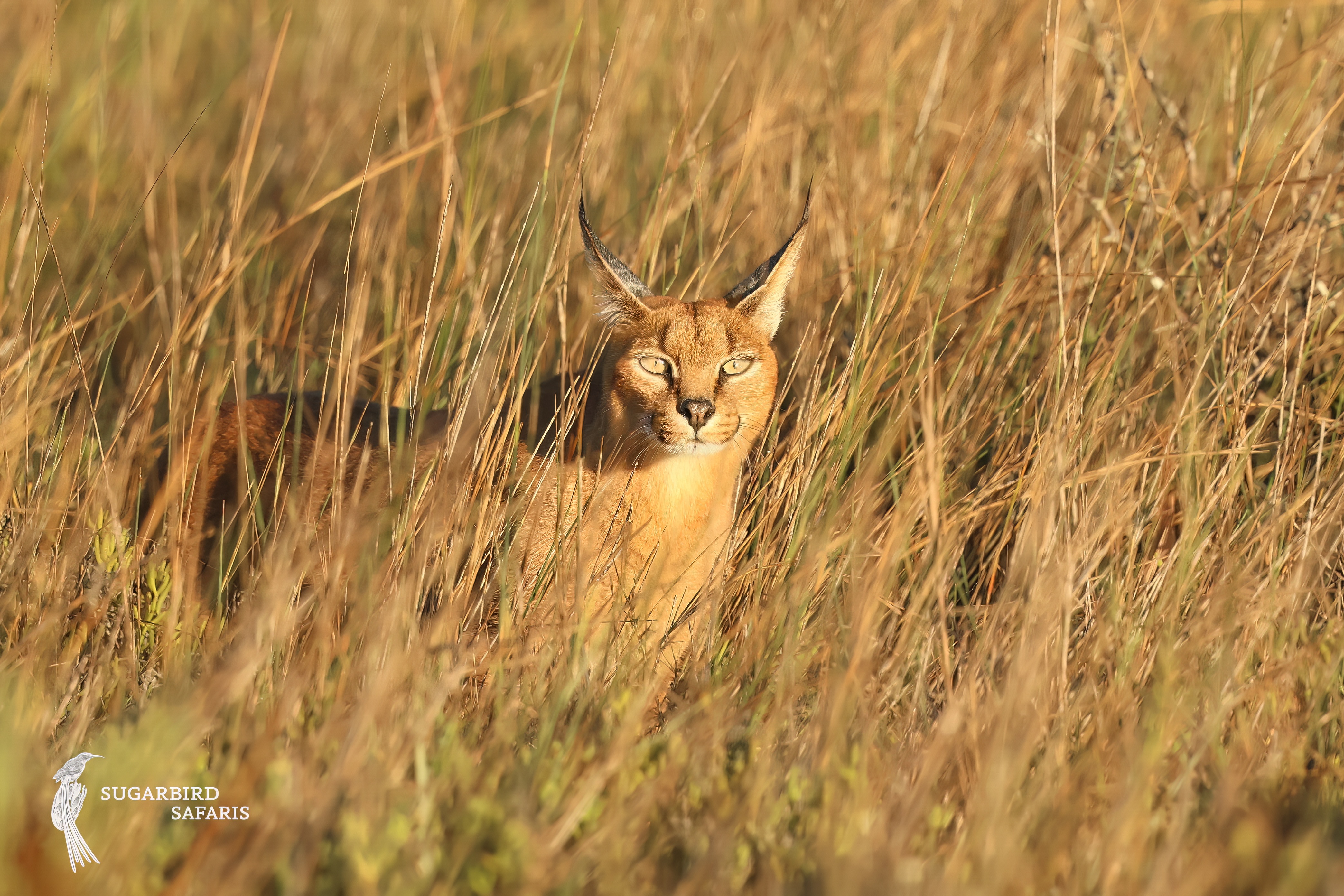
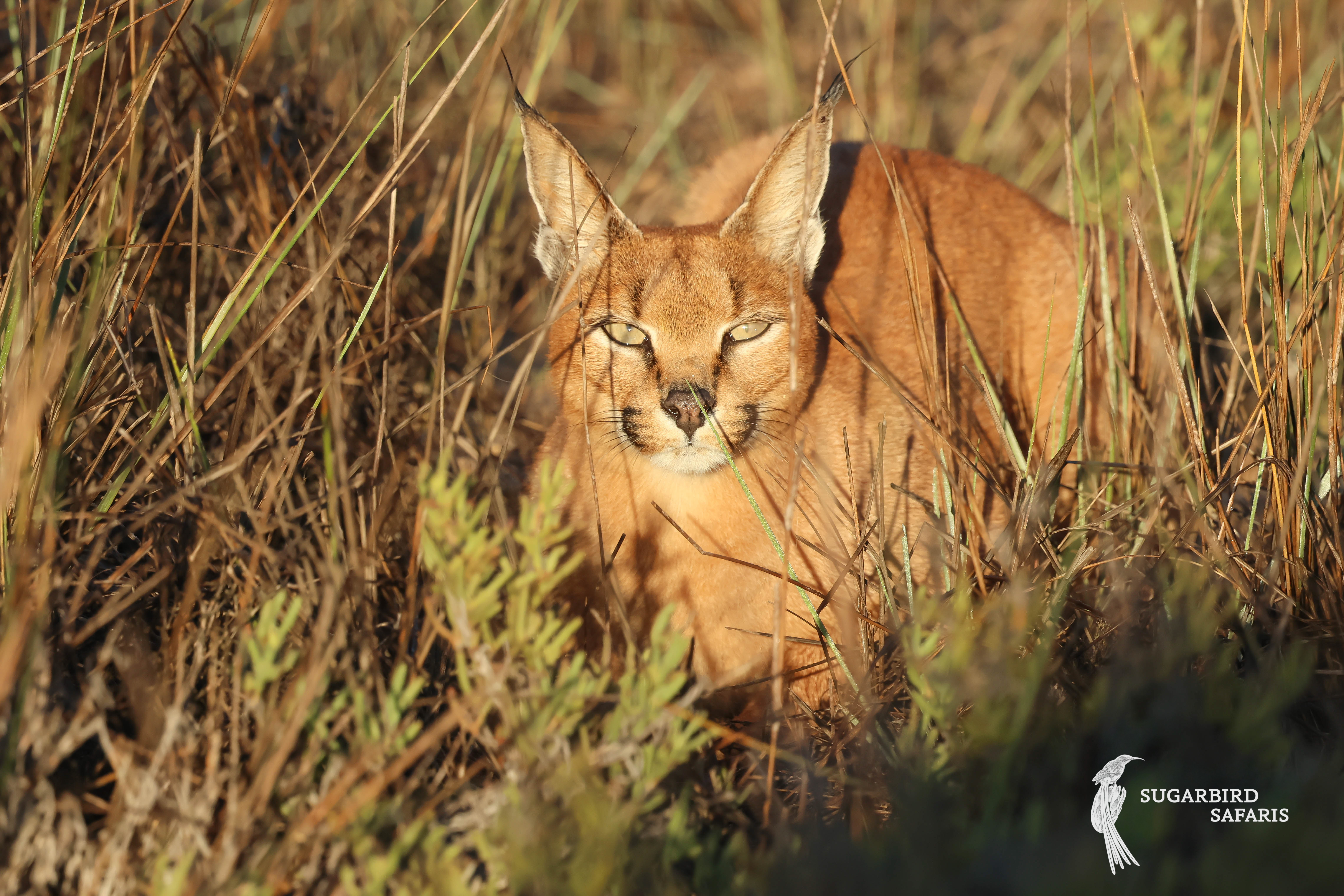
And it’s not just birds that make Kirstenbosch special. The gardens support a variety of reptiles, including skinks and snakes, while there is even an outside chance of encountering one of the Cape’s more elusive mammals: the shy Caracal. With so much to discover, Kirstenbosch promises to be a fitting highlight of our time around Cape Town.
Day 14 - Simons Town → Langebaan
By Day 14, we’ve already had plenty of memorable sightings, so this morning will be kept flexible. We’ll focus on any species we still haven’t seen or perhaps return to locations where we hope for better views or photography.
Depending on our target list, we can visit places such as Cape Point or Strandfontein, choosing the location that offers the best chances for the species we are still looking for.
After lunch, we’ll pack up and leave the Cape Peninsula behind as we make our way towards our final destination of the trip: Langebaan.
Day 15 - West Coast National Park → Cape Town
The final day of our journey has arrived, and we’ll bring the trip to a close in West Coast National Park, just south of Langebaan. Our main targets for the area are Black Harrier, Southern Black Korhaan and Grey-winged Francolin, but there is plenty more to look forward to. We’ll also keep an eye out for Bokmakierie, Karoo Scrub-robin, Grey Tit and Black Oystercatcher as we explore the park.
At the heart of the park lies the spectacular Langebaan Lagoon, which can attract impressive numbers of waders and flamingos during the winter months. The area has also produced a surprising number of rare wader sightings over the years, so we’ll keep a close eye on the tides. As the water starts to rise, we can settle into one of the park’s hides and watch as the incoming tide pushes the waders closer, often providing excellent opportunities for observation and photography.
West Coast National Park is also considered one of the best places in the region to look for Caracal, so we’ll keep our eyes peeled as we drive through the quieter parts of the park.
Depending on our flight times, we’ll then decide how to spend the remainder of our final day before making our way back towards Cape Town and the end of our adventure.
Tailor-Made to Your Wishes
This itinerary serves as an example of what is possible with Sugarbird Safaris. Every journey can be fully tailored to your interests, travel style and available time. Destinations, activities and accommodations can all be adjusted to create your ideal safari experience.
For those looking to add an extra dimension to this birding adventure, it is also possible to arrange a pelagic trip. Heading out to sea by boat, we’ll search the open ocean for tubenoses and other seabirds, with the possibility of encountering species such as albatrosses, petrels and shearwaters. This can be an exciting addition for anyone wanting to experience South Africa’s remarkable marine birdlife.
Please note that the itinerary is a guideline and may occasionally need to be adjusted due to unforeseen circumstances, such as weather conditions, road closures, wildlife movements or other circumstances beyond our control. We always aim to make the best possible use of the available time while keeping the experience enjoyable and safe.
Whether you would like to spend extra time at a favourite destination, include additional activities such as a pelagic trip, or extend your adventure by a few days, we'll be happy to design a safari that perfectly matches your wishes.